Tips for Creating a Relaxing and Productive Home Office Environment
Creating a home office that encourages both productivity and relaxation is essential for many people working remotely or running a business from home. A well-designed workspace can improve concentration, reduce stress, and make your workday more enjoyable. Whether you are setting up your first home office or revamping an existing space, these tips will help you craft an environment that supports your work goals while keeping you comfortable and calm.
1. Choose the Right Location
Selecting the ideal spot for your home office is the first step. Aim for a quiet area with minimal distractions and good natural light. If possible, isolate your workspace from high-traffic zones in your home to help maintain focus. Natural light has been shown to improve mood and energy levels, so position your desk near a window. If natural light is limited, invest in quality lighting that mimics daylight to reduce eye strain.
2. Invest in Comfortable and Supportive Furniture
Your office chair and desk play a crucial role in your comfort and productivity. Choose an ergonomic chair that supports your back and promotes good posture. Adjustable chairs are ideal, allowing you to tailor the seat height and backrest angle to your needs. A desk at the right height can prevent neck and shoulder tension. Consider a standing desk or a sit-stand converter to vary your position during the day.
3. Keep Your Workspace Organised
Clutter can cause distractions and stress, so keep your workspace tidy and organised. Use storage solutions like shelves, filing cabinets, or desk organisers to keep supplies, documents, and gadgets in order. Daily or weekly tidying routines can help maintain organisation and create a calm atmosphere. Designate specific places for essential items you need regularly.
4. Personalise Your Space with Calming Elements
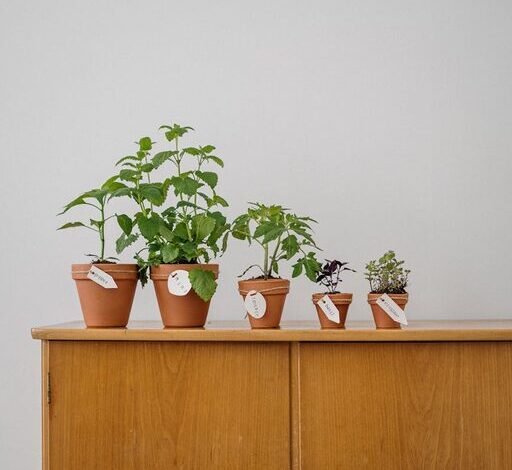
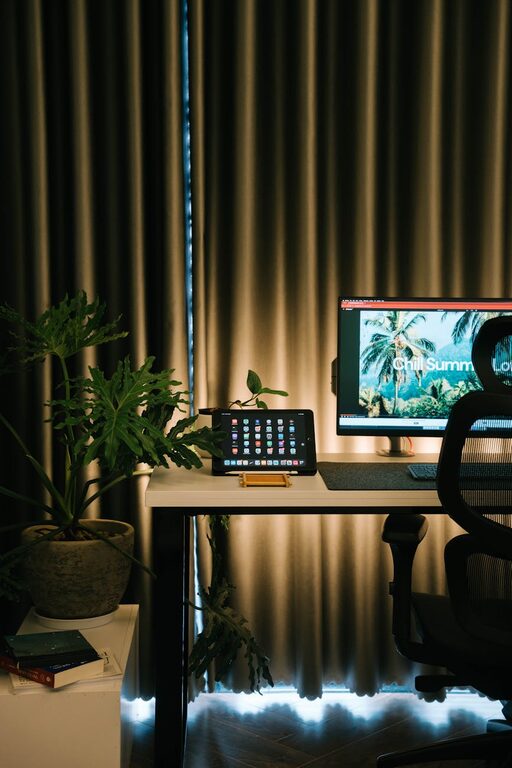
Adding personal touches can make your home office more inviting and relaxing. Choose decor that you find soothing, such as plants, photos, or artwork. Indoor plants not only beautify the space but also improve air quality and contribute to wellbeing. Select colours that promote calmness, such as soft blues, greens, or neutrals. Avoid overly bright or jarring colours that could increase stress.
5. Manage Noise and Distractions
Noise can be disruptive when trying to focus. If external sounds are an issue, consider soundproofing options like rugs, curtains, or acoustic panels. Headphones or white noise machines can help mask distractions. Establish boundaries with others in your home to minimise interruptions during work hours.
6. Maximise Technology for Efficiency
Ensure your technology setup supports your productivity without causing frustration. Invest in reliable internet, a quality monitor, and peripherals like keyboards and mice that suit your working style. Cable management solutions reduce tangles and hazards. Keep software and devices updated to avoid glitches during important tasks.
7. Incorporate Break Areas and Movement
Taking regular breaks helps maintain concentration and prevents fatigue. If space permits, create a small area near your desk where you can stretch, meditate, or enjoy a coffee. Moving around throughout the day, whether with simple stretches or short walks, refreshes your mind and body.
8. Establish a Daily Routine and Clear Boundaries
Working from home requires discipline. Set consistent work hours and communicate them to household members to avoid interruptions. Beginning your day with a clear plan and ending with a defined stopping point helps separate work from personal life. Keep your work-related activities within your office space to mentally switch between “work” and “home” modes.
9. Use Inspirational and Motivational Elements
Keeping motivation high can be challenging when working alone. Place inspirational quotes, goals, or vision boards in your office to remind you of your purpose and keep you driven. Change these periodically to stay engaged and inspired.
10. Prioritise Air Quality and Temperature Control
Good air quality and a comfortable temperature influence your wellbeing and efficiency. Open windows when possible to let in fresh air or use air purifiers to reduce dust and allergens. Adjust heating or cooling devices to maintain a comfortable environment that won’t distract you from tasks.
—
Creating a relaxing and productive home office is about balancing comfort, organisation, and personal preferences. By thoughtfully designing your space and setting routines, you can transform your home into a place where work feels both effective and enjoyable. Remember, the best workspace is one tailored to your needs, supporting healthier habits and a better work-life balance.