
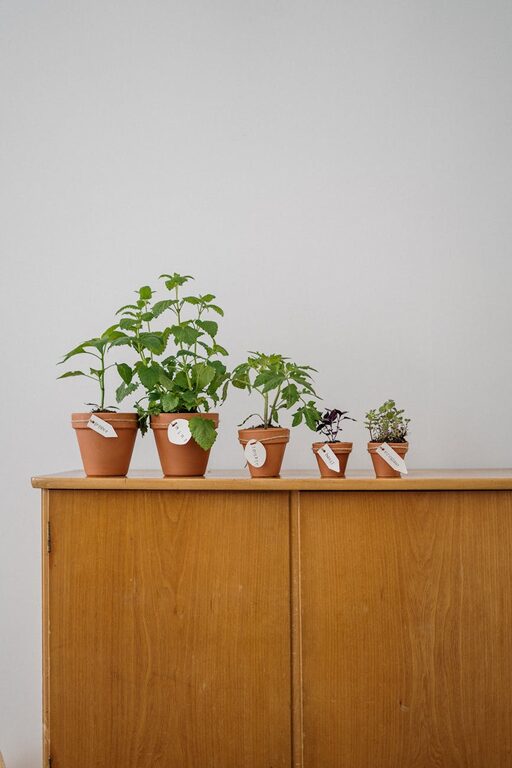
Simple Steps to Create a Thriving Indoor Herb Garden at Home
Creating an indoor herb garden is a rewarding and enjoyable activity that allows you to have fresh, fragrant herbs at your fingertips. Whether you have a spacious kitchen or a cosy windowsill, growing herbs indoors can brighten up your space and enhance your cooking. This guide will walk you through simple steps to help you establish a thriving herb garden inside your home.
Why Grow an Indoor Herb Garden?
Indoor herb gardens are convenient, cost-effective, and provide a continuous supply of fresh herbs. They also improve air quality and add a touch of nature to your living space. Herbs such as basil, parsley, mint, and thyme are easy to grow indoors and require minimal maintenance.
Choosing the Right Herbs for Indoors
Some herbs adapt better to indoor conditions than others. Consider starting with these popular options:
– Basil: Loves warmth and sunlight; great for cooking.
– Parsley: Tolerates partial shade and cooler temperatures.
– Mint: Grows quickly and spreads, best kept in a separate pot.
– Thyme: Prefers a sunny spot and well-drained soil.
– Chives: Hardy and easy to grow with moderate light.
– Coriander (Cilantro): Requires cooler conditions and moderate light.
Choose herbs you enjoy using, and that suit your home environment.
Step 1: Select Suitable Containers
Herbs need pots with good drainage to avoid waterlogging roots. Consider these tips:
– Use pots with drainage holes.
– Opt for terracotta, ceramic or plastic pots.
– Choose the right size: small to medium pots work well for single herbs; larger ones are fine for mixed plantings.
– If you want to save space, try vertical planters or window boxes.
Step 2: Use Quality Potting Soil
Indoor herbs thrive best in light, well-draining potting mix. Avoid garden soil as it can be too dense and harbour pests.
– Look for a soil labelled for indoor plants or herbs.
– You can mix your own with peat moss, perlite, and compost for good drainage.
– Adding a little organic fertiliser can boost growth.
Step 3: Provide Adequate Light
Most herbs need at least 6 hours of sunlight daily. A bright, south-facing windowsill is ideal.
– If natural light is limited, supplement with grow lights.
– Rotate plants regularly to ensure even light exposure.
– Avoid placing herbs in drafty or overly cold spots.
Step 4: Water Carefully
Overwatering is a common mistake.
– Water when the top 1-2 cm of soil feels dry.
– Water thoroughly until it drains out of the bottom.
– Discard excess water to prevent root rot.
– Herbs generally prefer slightly drier soil than too wet.
Step 5: Maintain Proper Temperature and Humidity
Indoor herbs typically prefer temperatures between 18-24°C.
– Keep herbs away from heating vents or cold drafts.
– Humidity levels of 40-60% are optimal.
– Use a small humidifier or mist plants occasionally if air is dry.
Step 6: Feed Your Herbs
Regular feeding keeps herbs lush and productive.
– Use a balanced, water-soluble fertiliser every 4-6 weeks.
– Avoid over-fertilising, which can reduce flavour.
– Organic options like seaweed extract or compost tea are also good.
Step 7: Prune and Harvest Regularly
Pruning encourages healthy, bushy growth.
– Snip off the top sets of leaves regularly.
– Avoid cutting more than one-third of the plant at a time.
– Harvest in the morning when oils are most concentrated for best flavour.
– Remove flowers promptly to keep herbs productive.
Step 8: Monitor for Pests and Problems
Indoor herbs are generally hardy but can face occasional issues.
– Check for pests like aphids, spider mites, or whiteflies.
– Remove pests by hand or use insecticidal soap as a safe option.
– Ensure good airflow around plants to prevent mould and fungal diseases.
– Repot herbs if roots become crowded or soil quality declines.
Decorating and Placing Your Herb Garden
Make your indoor herb garden a feature by:
– Grouping herbs in decorative pots or trays.
– Using tiered stands or shelves near a sunny window.
– Incorporating labels for each herb.
– Adding small stones or moss on the soil surface for a neat look.
Troubleshooting Common Issues
– Leggy or thin growth? Increase light or prune more often.
– Yellowing leaves? Check watering habits and avoid overwatering.
– Slow growth? Consider adding fertiliser and checking pot size.
– Wilting? Ensure proper watering and remove any dead material.
Benefits Beyond Cooking
Beyond providing fresh ingredients, indoor herb gardens:
– Help reduce stress with greenery and pleasant aromas.
– Can be a fun and educational hobby for all ages.
– Improve indoor air quality by filtering pollutants.
Final Tips for Success
– Start small and expand as you gain confidence.
– Experiment with different herbs to find your favourites.
– Keep tools like scissors and watering cans handy.
– Enjoy the process as much as the harvest!
Growing an indoor herb garden is a delightful way to connect with nature and elevate your meals. With patience and care, you’ll soon enjoy fresh, fragrant herbs year-round right in your home. Happy gardening!
