
Easy Tips for Creating a Sustainable and Eco-Friendly Home
Creating a sustainable and eco-friendly home is a rewarding way to reduce your environmental impact while promoting a healthier living space for you and your family. Whether you live in a flat, terraced house, or detached property, small changes can lead to significant benefits over time. This guide offers practical tips to help you make your home greener and more efficient.
Why Create a Sustainable Home?
Sustainable living involves using resources wisely and responsibly to minimise harm to the environment. Homes are responsible for a large share of energy consumption and waste production. By adopting eco-friendly habits, you lower your carbon footprint, reduce bills, and contribute positively to the planet.
Start with Energy Efficiency
One of the simplest ways to create a sustainable home is by focusing on energy efficiency. Here are some steps to take:
Improve Insulation
Good insulation keeps your home warm in winter and cool in summer, reducing the need for constant heating or cooling.
– Check and upgrade loft insulation.
– Install double or triple-glazed windows.
– Use draught excluders around doors and windows.
Choose Energy-Efficient Appliances
– Look for appliances with high energy ratings (A+++).
– Switch to LED bulbs which use less power and last longer.
– Use smart plugs or timers to limit standby energy use.
Harness Renewable Energy
If possible, consider installing renewable energy sources:
– Solar panels: Generate your own electricity and lower bills.
– Solar water heating: A cost-effective way to heat water.
– Heat pumps: Efficient for space heating and cooling.
Reduce Water Waste
Water conservation is key in eco-friendly homes.
Fit Water-Saving Devices
– Install low-flow showerheads and taps.
– Use dual-flush toilets.
– Fix leaks promptly to prevent wastage.
Adopt Smart Water Habits
– Collect rainwater for gardening.
– Only run washing machines and dishwashers with full loads.
– Avoid leaving taps running unnecessarily.
Manage Waste Responsibly
Reducing and managing waste helps lessen landfill use and pollution.
Embrace Recycling and Composting
– Separate recyclables such as paper, plastic, metals, and glass.
– Set up a compost bin for food scraps and garden waste.
Buy Wisely
– Choose products with minimal or recyclable packaging.
– Opt for durable, repairable goods rather than disposable items.
– Support second-hand and locally produced goods.
Choose Sustainable Materials and Furnishings
The materials used in your home affect its environmental impact.
– Select natural, renewable materials like bamboo, cork, or reclaimed wood.
– Avoid products with harmful chemicals or high VOCs (volatile organic compounds).
– Look for furniture made from sustainably sourced or recycled materials.
Create a Green Indoor Environment
Healthy indoor air and green décor add comfort and sustainability.
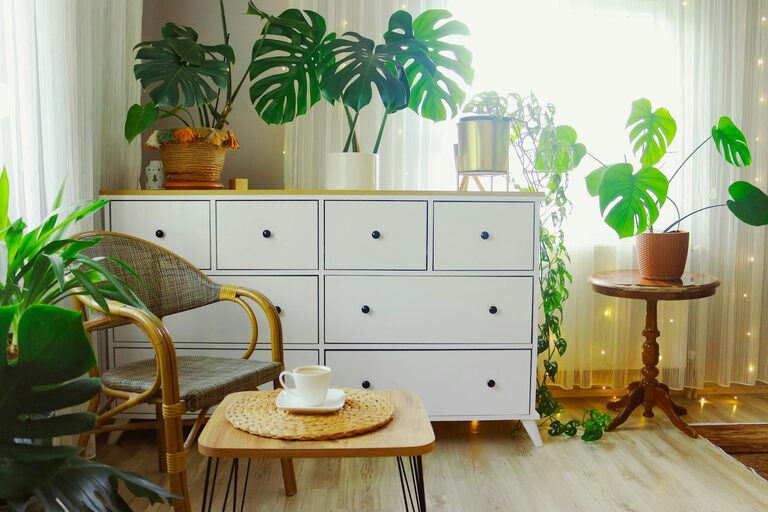
– Use indoor plants to improve air quality and add natural beauty.
– Consider non-toxic cleaning products to reduce harmful fumes.
– Maximise natural light through careful window placement and light curtains.
Garden Sustainably
If you have outdoor space, gardening can be an eco-friendly activity.
– Grow your own vegetables and herbs to reduce food miles.
– Plant native species which support local wildlife and require less water.
– Use organic fertilizers and natural pest control methods.
Maintain Your Home Regularly
Regular maintenance helps keep your home efficient.
– Service heating and cooling systems yearly.
– Clean or replace filters in appliances.
– Check for damp or mould, and treat promptly.
Conclusion
Creating a sustainable and eco-friendly home doesn’t have to be overwhelming or expensive. By making conscious choices about energy use, water conservation, waste management, materials, and general upkeep, you can contribute to a greener future while enjoying a more comfortable and healthy living space. Start with small steps and gradually build towards a fully sustainable home environment. Every effort counts!
