
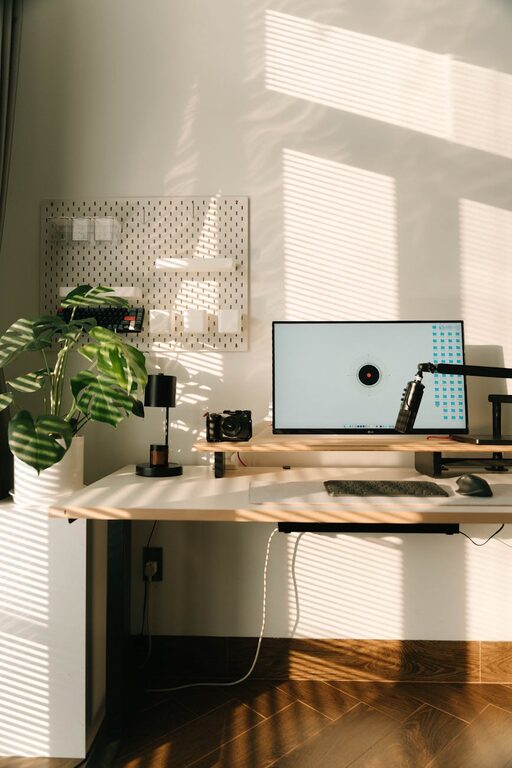
Tips for Creating a Relaxing Home Workspace Environment
Working from home has become a part of daily life for many, and creating a home workspace that feels calm and inviting can make all the difference. A relaxing environment helps reduce stress, improve focus, and boost productivity. Whether you have a dedicated room or a small corner, these tips will guide you in shaping a workspace that promotes comfort and efficiency.
1. Choose the Right Location
Location plays a key role in how your workspace feels. Try to select a quiet spot away from heavy foot traffic, noise, and distractions. Ideally, use a room with natural light and ventilation. If space is limited, a well-organised corner with some separation from living areas can work well too.
2. Prioritise Comfort with Furniture
Your furniture should support good posture and comfort throughout your workday.
– Desk: Choose a desk with enough surface area for your computer, documents, and other essentials. Adjustable desks that allow sitting and standing are ideal.
– Chair: Invest in a comfortable, ergonomic chair that supports your back and encourages correct posture. Avoid sitting on sofas or beds as this can affect your spinal health.
– Footrest: If your feet don’t sit flat on the floor, a footrest can help improve circulation and posture.
3. Maximise Natural Light
Natural light has a positive effect on mood and productivity. Position your desk near a window if possible, but avoid glare on your screen by angling your monitor away from direct sunlight. Use light, airy curtains to soften bright light without blocking it entirely.
4. Control Artificial Lighting
When natural light is limited, good artificial lighting is essential.
– Use a combination of overhead lighting and task lighting.
– A desk lamp with adjustable brightness can reduce eye strain during late work sessions.
– Choose bulbs with a soft, warm colour temperature (2700K to 3500K) for a relaxing ambience.
5. Keep Your Workspace Organised and Clutter-Free
Clutter can create a feeling of chaos and increase stress. Maintain a tidy workspace by:
– Using storage boxes, drawers, or shelves to keep supplies organised.
– Having a filing system for paperwork.
– Decluttering regularly to only keep essential items on your desk.
6. Add Personal Touches
Make your workspace feel inviting by adding a few personal touches without overcrowding it.
– Display a small plant to add colour and improve air quality.
– Use artwork or photos that inspire or make you happy.
– Choose desk accessories in colours or styles you enjoy.
7. Incorporate Calming Colours
Colour influences mood and productivity. Opt for soft, neutral tones like beige, pale grey, or light blue in your workspace. These colours are soothing and help reduce stress. Add pops of colour with accessories or stationery to keep things lively.
8. Maintain Good Air Quality
A fresh, well-ventilated room helps you stay alert and comfortable.
– Open windows regularly to refresh the air.
– Consider an air purifier if you live in a polluted area.
– Indoor plants like spider plants or peace lilies can naturally improve air quality.
9. Minimise Noise Distractions
Noise can disrupt concentration and increase stress levels.
– Use noise-cancelling headphones or earplugs if outside noise is unavoidable.
– Play soft instrumental music or ambient sounds like rainfall to improve focus.
– If possible, use rugs and curtains to absorb noise within the room.
10. Take Regular Breaks and Move
A relaxing workspace supports both work and wellbeing. To prevent fatigue:
– Set reminders to take short breaks throughout the day.
– Stretch or walk around to keep your body active.
– Use breaks to step away from your workspace and clear your mind.
Conclusion
Creating a relaxing home workspace is about combining comfort, organisation, and calm aesthetics to support your daily work routine. By choosing the right location, investing in ergonomic furniture, managing light and noise, and adding personal touches, you can transform your workspace into a place where you feel motivated and at ease. Remember, your workspace should work for you—so customise it in a way that suits both your tasks and your wellbeing.
